
Scouting and Opponent Analysis
Scouting Opponent Analysis

Scouting and opponent analysis in a football manager

Track players, understand opponent context, and keep squad planning and matchday preparation inside one connected flow instead of scattering them across separate tools.

Matchday Zero is a browser football manager where scouting, opponent analysis, squad planning, and match preparation work together directly. Decisions therefore do not emerge in isolation, but in context with lineup, matchday, and wider club control.

Player Observation

Scouting in a football manager

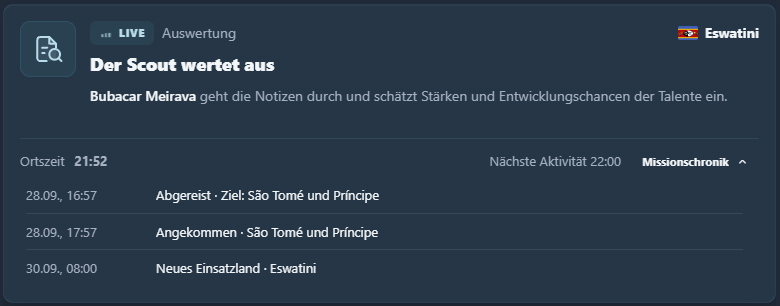
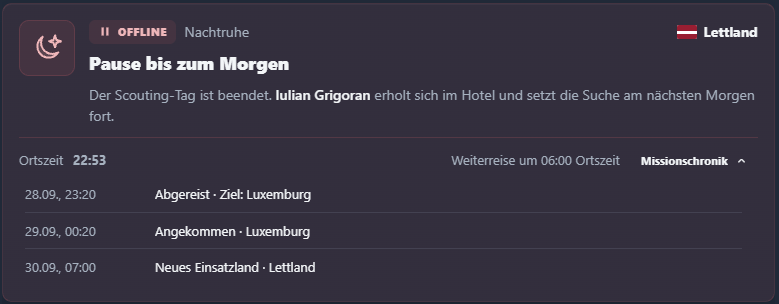
In Matchday Zero, scouting is not a detached data block, but part of actual club control. Player observation, opponent context, and squad decisions are meant to feed into the same flow in which you prepare lineup, matchday, and season rhythm.

Player Profiles Observation stays decision-relevant

Scouting helps place players in the context of your own squad and game idea instead of only comparing surface-level data.

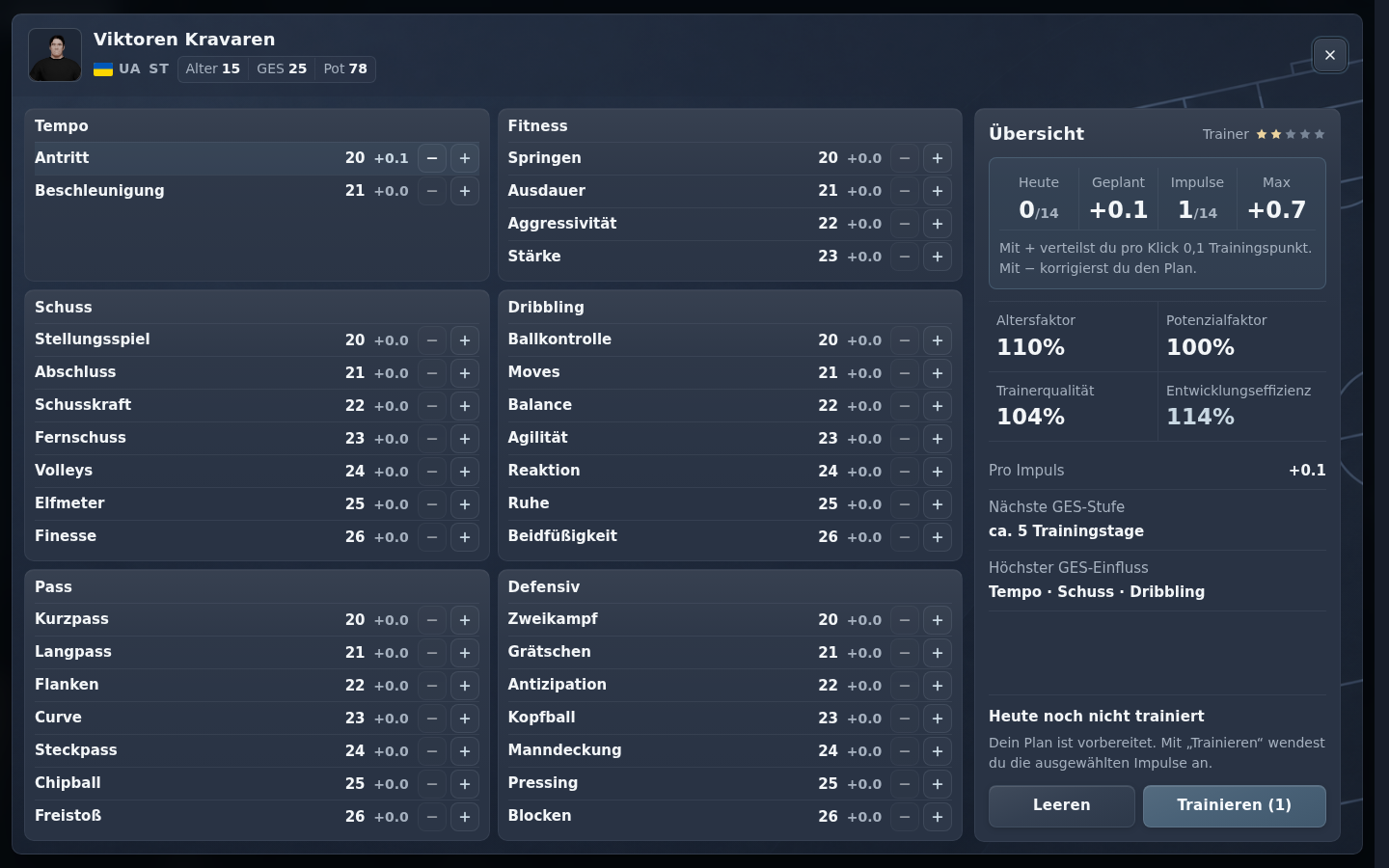
Squad Planning Scouting and development work together

Who you observe affects later decisions in squad building, bench options, and longer-term club planning.

Opponent Analysis

Opponent analysis before matchday

Opponent analysis is not just a report before the next game. It should help you recognise which areas will matter in the coming matchday, where your team may need to react, and how lineup and roles should prepare for a specific game picture. That is why opponent context stays close to later preparation in Matchday Zero.

Opponent View Preparation stays concrete

Scouting does not only collect information, but condenses it into a picture you can carry into the next decision.

Matchday Focus Important patterns stay visible

If an opponent controls certain zones, player types, or phases especially well, that should affect your preparation.

Reaction Analysis turns into action

Opponent analysis does not remain an isolated note, but influences later selection and role distribution.

Club Control

Scouting, transfers, and season planning stay connected

A football manager only becomes strategic when observation and planning run together. Matchday Zero does not treat scouting, squad decisions, lineup, and matchday as isolated areas. That turns player observation into part of actual club control instead of a passive archive of notes.

Connection to the Game

Scouting only becomes useful when it shows up later in lineup, opponent context, and reaction. Matchday Zero therefore connects player observation and opponent analysis with the starting XI, roles, and the readable match view. That keeps the chain between report and later match intact.

Lineup Analysis affects selection

Who starts, which roles make sense, and which bench options are needed do not sit apart from scouting.

2D Match View Preparation becomes readable later

The 2D match view helps you recognise prepared opponent context and your own assumptions once the game is underway.

Club Control Scouting stays part of the wider system

Player observation, squad planning, and matchday work together instead of ending in disconnected areas.

Continue in Product

Further areas in the browser football manager

If you want to see how scouting connects to lineup, the match view, and wider club life, the related Matchday Zero pages take you straight there.

FAQ

Common questions about scouting and opponent analysis

Is there scouting in the football manager?

Yes. Matchday Zero connects player observation to squad planning, opponent analysis, and later match preparation.

Can I analyse opponents before the match?

Yes. Opponent analysis is meant to support later lineup, role decisions, and matchday focus.

Why is scouting more than a report?

Because scouting in Matchday Zero does not run apart from the rest of the manager system, but feeds directly into squad decisions and match preparation.

How does scouting connect to the 2D match view?

The 2D match view later helps you recognise prepared opponent context and your own assumptions during the actual flow of play.